
The Spirit of Mockery
“There is no spirit of mockery!” a man insisted as he began to spar with me over whether such a thing could even exist. His argument quickly slipped into the very tone he denied, ridiculing my perspective and even pointing to scripture he'd twisted as justification to be mean. Yet as he pressed on, I watched the essence of mockery itself take shape before my eyes—an attitude so sharp and dismissive it needed no further proof.
That moment stayed with me, not because I wanted to win an argument, but because it revealed just how subtle—and destructive—mockery can be. It’s a spirit that cloaks itself in humor or wit, yet at its core carries a smug, poisonous edge. In this article, I’d like to explore what mockery really is, how it manifests, and why it deserves more of our attention than we might think.
Mockery: Spirit or Bad Attitude?
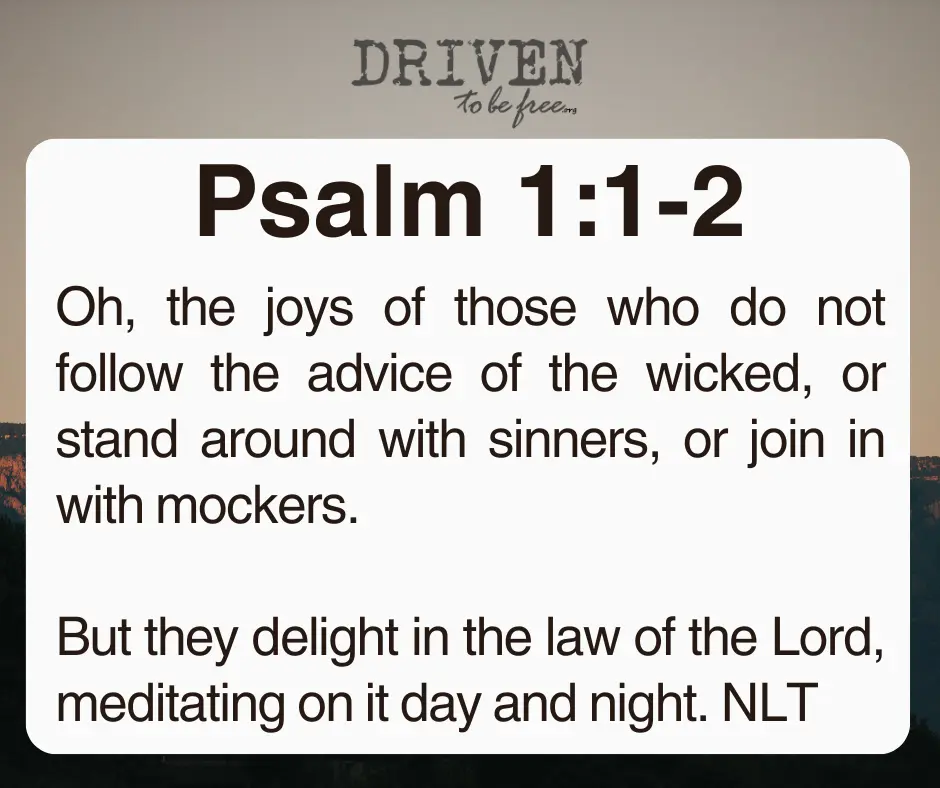
Mockery is more than just a bad attitude—it is a destructive behavior that can deeply wound others and, according to Scripture, is not a trait befitting followers of Jesus Christ. From children intimidated by ridicule to adults left emotionally crushed, mockery brings division, pride, and emotional scars. The Bible warns us repeatedly about the dangers of mocking (see Psalm 1:1–2).
Is Mockery Rooted in Pride?
It’s almost impossible to separate mockery from pride. Just as the spirit of fear has related companions—timidity, rejection, phobias—mockery is closely tied to the spirit of haughtiness (pride). Mockery is not only a behavior but also a manifestation and fruit of pride.
When Jezebel mocked Elijah, she did so because she exalted herself above the One true God. The Pharisees were a prideful sect who also mocked out of that root of haughtiness. An interesting bible study would be to note instances of pride and then map out the mockery that followed!
Is Mockery a Demon?
In Scripture, demons are often named after their function or manifestation:
- Fear (2 Timothy 1:7)
- Jealousy (Numbers 5:14)
- Stupor (Romans 11:8)
In the same way, mockery may come from a demonic influence—or be the identifying function of a spirit itself. While not all mockery is demonic, it is a common outworking of spiritual pride and rebellion.
In Greek mythology, Momus was literally called the god of mockery, blame, and criticism. Just as Christians today refer to a “Jezebel spirit,” as a spirit of control, witchcraft, and manipulation, some use “spirit of Momus” to describe manifestations of mockery and ridicule.
Why Understanding the Spirit of Mockery Matters
Oh, it matters all right! if we are going to be the kind of persons who help those in need instead of hurting them, we need to understand the power and the nemesis of mockery.
Last Resistance During Deliverance
Mockery often surfaces in spiritual warfare and deliverance as a last-effort distraction. It is not for a person's eyes to fill with mockery while their lips form a sadistic smile.
Its purpose is to intimidate and to distract, anger, or cause fear in the minister. Sometimes, the person being set free will hear laughter or taunting in their mind. This is often a good sign! The enemy is trying to give it all he has got because he knows he is about to be expelled.
Indicator of Deeper Wounds
Mockery may reveal areas of pain, rejection, or trauma that require healing.
As I sat in my office with a woman working through complex trauma, I smiled warmly when she received a truth about God’s love. Suddenly, she turned to me and screamed, “Don’t mock me! Wipe that smile off your face!”
I was taken aback. My smile was one of joy, not mockery. Yet her reaction revealed a deeper wound I hadn’t yet understood. Later, she shared that in her family, dinner conversations were filled with mockery. If she ever said something her father disapproved of, he would respond with a grin that cut her to the core—an accusing smile full of disdain. Over time, she came to associate any smile directed at her with that same mocking judgment.
The family’s destructive behaviors caused deep wounds among its members. This open door of rejection invited a spirit of mockery to enter, take a seat at the dinner table, and stoke its bitter influence over everyone present.
Potential Trap for Believers
Even Christians can fall into mockery, masking pride as “righteous indignation.” The Bible has a lot to say about mockery, and for believers to think they can engage in mockery for any reason is a dangerous move.
I’ve seen ministers mock people for not knowing their Bible. Another man mocked someone for not paying tithes. The scripture is clear on how we are to correct one another in the faith.
Galatians 6:1 Brethren, if a man is overtaken in any trespass, you who are spiritual restore such a one in a spirit of gentleness, considering yourself lest you also be tempted. NKJV

Unchecked mockery hurts people
If we aren’t aware of how mockery is linked to the efforts of Satan to kill, steal, and destroy, we might make an ignorant alliance with him. Mockery in the pulpit, in families, in communities, and in the workplace is toxic.
As a minister, I once had to address a young Christian because he was being sarcastic and mocking anything he did not understand. Instead of receiving the instruction, he told me that Elijah mocked the prophets of Baal and that Jesus mocked people.
I can’t find where Jesus mocked anyone. And the only place where we find God mocking is Proverbs 3:34 where it reads:
“The Lord mocks the mockers but is gracious to the humble (NLT)”
This speaks of sowing and reaping. God is not out to mock people, and there is no haughtiness in Him. And as to Elijah mocking the prophets of Baal, we find that the return on his mockery investment was not a good one. Soon after, Jezebel mocked Elijah, and he took off running and wanted to die. Is it possible he loosened something that had a boomerang effect on him?
The Nature of Mockery: “Imprint” and “Guard” Spirit
- Imprint
Spirit – Have you fallen asleep on something and when you awoke,
the imprint of what your face was lying on is etched into your skin? When
people mock, it leaves an imprint that does not go away. Mockery can
linger when someone has been bullied in the past. For this reason, when I
discover that someone has a history of being mocked, I will check to see
if that “imprint” or transference of that spirit is in operation in the person.
- Guard/Deflecting Spirit – It can function as a defense, distracting attention from deeper spiritual strongholds. Not only can mocking come up when someone is being set free, but people who have been mocked and imprinted may find themselves mocking others without realizing from where that root is coming.
Uses of Mockery in Human Behavior
There are many reasons why we deal with and do not address mockery in our lives. The following are some ways that mockery is used like a tool instead of like the enemy that it is:
As a coping mechanism
Amber and I were ministering in a local jail when we stepped in to break up an altercation. I saw the spirit of mockery flare in the eyes of two women on the brink of a fight. Their eyes dared, “Come at me!”—like rival wolves baring their teeth, snarling fiercely to warn others to stay back or face the danger.
To control and manipulate others
How often have we witnessed someone share a post on social media, only to be met with a swift three-step barrage of mockery? More often than not, the person deletes their post and feels compelled to apologize—even when their message was completely valid. This is the power of mockery: a subtle yet ruthless tool of control and manipulation that silences voices and enforces conformity.
To humiliate and shame
A mother leans over to her child and berates her, saying, “Look at everyone. They’re staring at you because you are not behaving. They think you’re bad!” The girl cowered and sat down as her mother smiled with pleasure. The child was controlled with fear of mockery and shame.
In second grade, my teacher publicly mocked me in front of my classmates. That experience didn’t just embarrass me—it planted seeds of hatred toward her, the other students, and the school itself. It also left me with a lasting fear of being humiliated in front of others. Mockery is more than just cruelty; it’s a destroyer of hope and the very foundation upon which oppression is built.
As a demonstration of pride
I’ve come to realize that mockery—whether I see it around me or feel it inside myself—almost always springs from pride. If we didn’t believe we were somehow “better than” someone else, mocking them wouldn’t even occur, unless it’s a way to hide our own fear of rejection. But even then, how can we bring ourselves to criticize or mock those whom the Lord loves?
I didn’t fully understand how pride could show up in ministry until I attended a women’s conference where Beth Stephens was speaking. After the worship team sang a song with a line that wasn’t quite biblical, I expected the usual criticism—ministers sometimes latch onto lyrics and nitpick from a place of pride. But Beth handled it differently. She said, “I like this song, except for one line. I understand why some connect with it, but I think a better word might be…”
I sat there stunned. No harsh words, no humiliation—just a gentle, respectful opinion. What made her able to do that? She simply didn’t have the pride that drives people to publicly mock the people of God.
How to Recognize a Spirit of Mockery
Behaviors include:
- Laughing or making light during prayer
- Sarcastically mocking preachers or teachings
- Ridiculing sacred practices, faith, or spiritual authority
- Laughing or making fun of someone in front of others
- Pointing out a flaw in someone without any love attached to the action
Characteristics may include:
- Sarcasm disguised as humor
- Cynicism or belittling of others
- Contempt for authority (Proverbs 9:7–8)
- Undermining authority in family or church
- Defiance and scorn
- Manipulation, intimidation, and emotional control
Scriptural Patterns: Spirits Connected to Mockery
Unclean spirits like to work together in packs. When you mix different types of spirits with mockery, you can get a different outcome. Consider what combinations you’ve come into contact with and think about how to respond in the future.
The following are some nasty spirits who like to hook up with mockery:
- Pride / Leviathan – Proverbs 21:24
- Jezebel (Control & Manipulation) – 1 Kings 19:1–2
- Bondage / Addiction – Proverbs 20:1
- Rebellion – 2 Kings 2:23
- Deception – Galatians 6:7
- Fear / Insecurity – Nehemiah 4:1–3
Overcoming Mockery
There are two types of mockery to overcome. Some need to overcome being the mocker, and many must be set free of the pain and wounds of having been mocked. No matter where you might find yourself in the mocking zone, consider the scriptures below to be set free and overcome this malicious spirit.
Self-Examination & Repentance
- If mocked, first check your standing before God (Ezekiel 22:4; Lamentations 1:7–8). Mocking God will have a ricochet effect. If you note in the scriptures, mockery was a curse that came upon people. It’s always a good idea to make sure we are not reaping what was sown!
- Repent of pride and renounce agreement with mocking speech.
Guard Your Words
- “[Let no unwholesome talk come out of your mouths…]” (Ephesians 4:29).
- Replace sarcasm and ridicule with edifying speech. This may take some effort. Put Philippians 4:8 to work for you!
Stay Humble
- Monitor prideful attitudes. “[The Lord mocks mockers but gives grace to the humble.]” (Proverbs 3:34).
Pursue Deliverance & Renewal
- Prayer and fasting can remove strongholds. If you can’t seem to forgive those who have mocked or stop mocking yourself, get serious and fast and pray.
- You may want to tell some wise people that you are dealing with mockery. Give them permission to call you on behaviors and work with others to eradicate pride and mockery.
Treat Mockery like the Plague
- We treat unclean spirits differently than we do learned behaviors. If you cannot get over the effects, command mockery to go. Forgive those who have mocked, forgive yourself, and take a stand. Refuse to allow this nasty spirit and it's homeboys to torment, manipulate, control, and harass you. A simple will do like, "Mockery, I command you to loose me and not return in the Holy name of Jesus Christ."
Love like Jesus
- The nemesis for mockery is love. It's not possible to have the love of God in full throttle and allow for the pride it takes for mockery to produce its hurtful fruit.
Key Scriptures on Mockery
The Bible speaks clearly about mockery, warning that its rise is a sign of the end times. Today, it’s hard to watch the news, scroll through social media, or even engage in everyday conversations without encountering mockery in one form or another. This spirit of scorn and ridicule is not new—it has long been a tool used to wound, divide, and distract, and scripture repeatedly warns against its destructive power.
- Psalm 1:1–2 – Avoid the company of mockers.
- 2 Peter 3:3–4 – Scoffers in the last days mock Christ’s return.
- Isaiah 57:4 – God rebukes those who mock.
- Proverbs 3:34 – The Lord resists mockers but helps the humble.
Final Thoughts
Mockery is more than a joke—it’s a serious spiritual issue that aligns with pride, deception, and rebellion. Whether manifesting as sarcasm, control, or contempt for faith, mockery can destroy relationships and harden hearts against truth. As believers, we are called to humility, reverence, and words that uplift rather than ridicule.
By understanding the spiritual roots of mockery and applying the power of Scripture, love, repentance, and deliverance, we can overcome the influence of this destructive spirit.
When dealing with a spirit that manifests out of a person, do not match its pride and mockery. Simple, love the person, command it to stop and continue to make sure it and its friends leave with no residue left behind. Do not allow yourself to be manipulated by getting intimidated. You are the victor in Christ, no matter who laughs and says otherwise.